Everything I learned in 15 years of illicit marijuana growing
UPGRADE your gardening game with this AWESOME guide

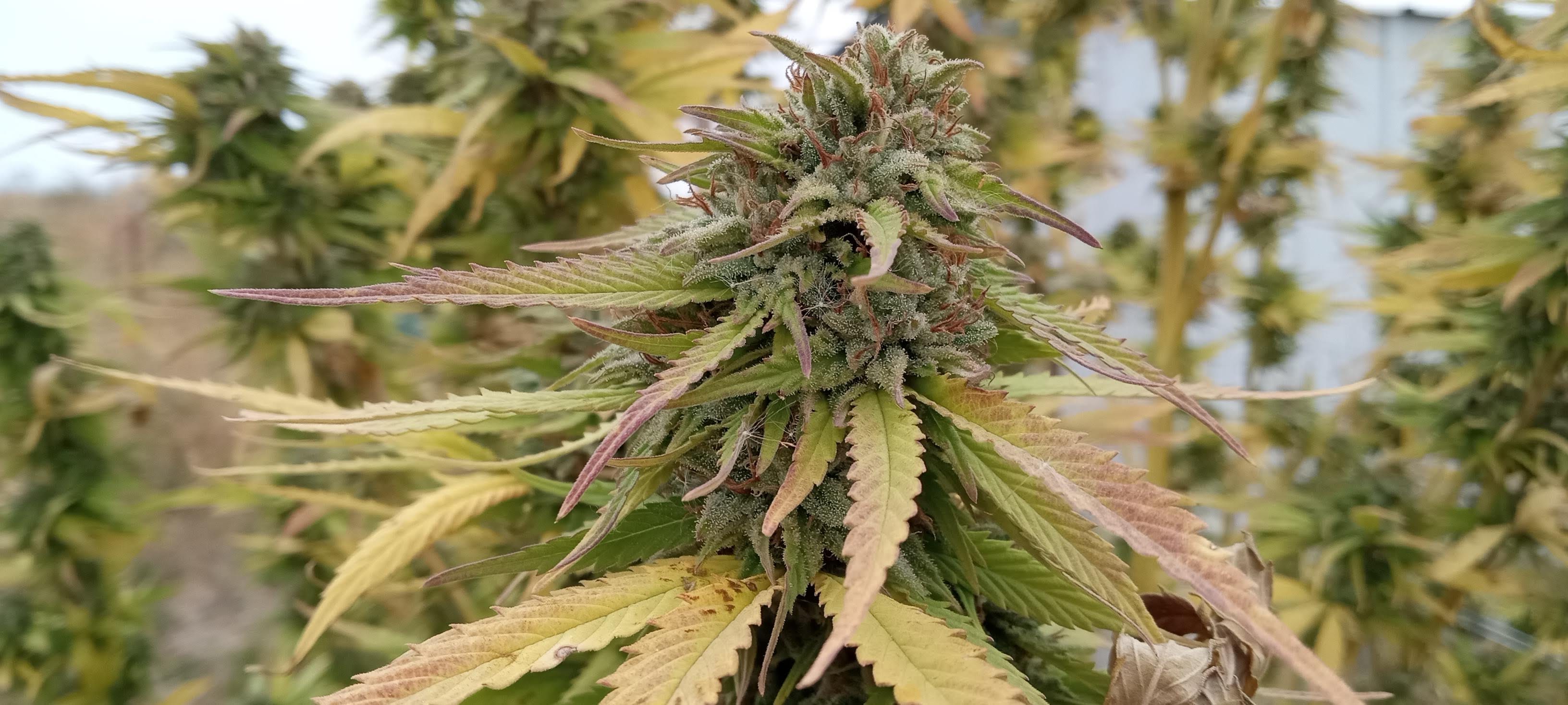
If you’re tired of paying good money for something you can grow yourself, this is the guide for you. Most of these tips apply to vegetables like tomatoes and peppers as well, so read on if you’re a sober minded gardener.
I started growing in 2008 because I was trying to get out of debt and every dollar spent on weed was a dollar keeping me from financial freedom. Now it’s hard to decide what I like more - growing it or smoking it.
Growing was illegal but I never got caught because I followed the rules:
No Smell
No Tell
No Sell
It’s certainly interesting how much one can get away with by applying intelligence to illicit activity. Really explains a lot of things about the world. Ever since it became legal in my state, my preferred method has been big Cali-style outdoor organic grows.
Cannabis Life Cycle Basics
Seed Starting
Starting seeds is easiest with a tall humidity dome and electric heat mat. My favorite propagation mediums are coco-coir for organic soil grows, and rockwool cubes for hydroponics.
Make a little hole in the medium with a chop stick about 1/2” deep, take the feminized seeds (more on genetics later) and put one in each, then close the top up. Get everything super saturated with water. You may need to add a small amount of Cal-Mag if you’re using city water. If you have access to rain or ditch water, this is a great choice.
In a few days you should have little plants popping up. Resist the urge to touch them or mess with them in any way. Check that their growing medium has enough moisture by lifting the starting tray and feeling its weight. Add water at bottom of the tray - pouring over the top will disturb the delicate plants.
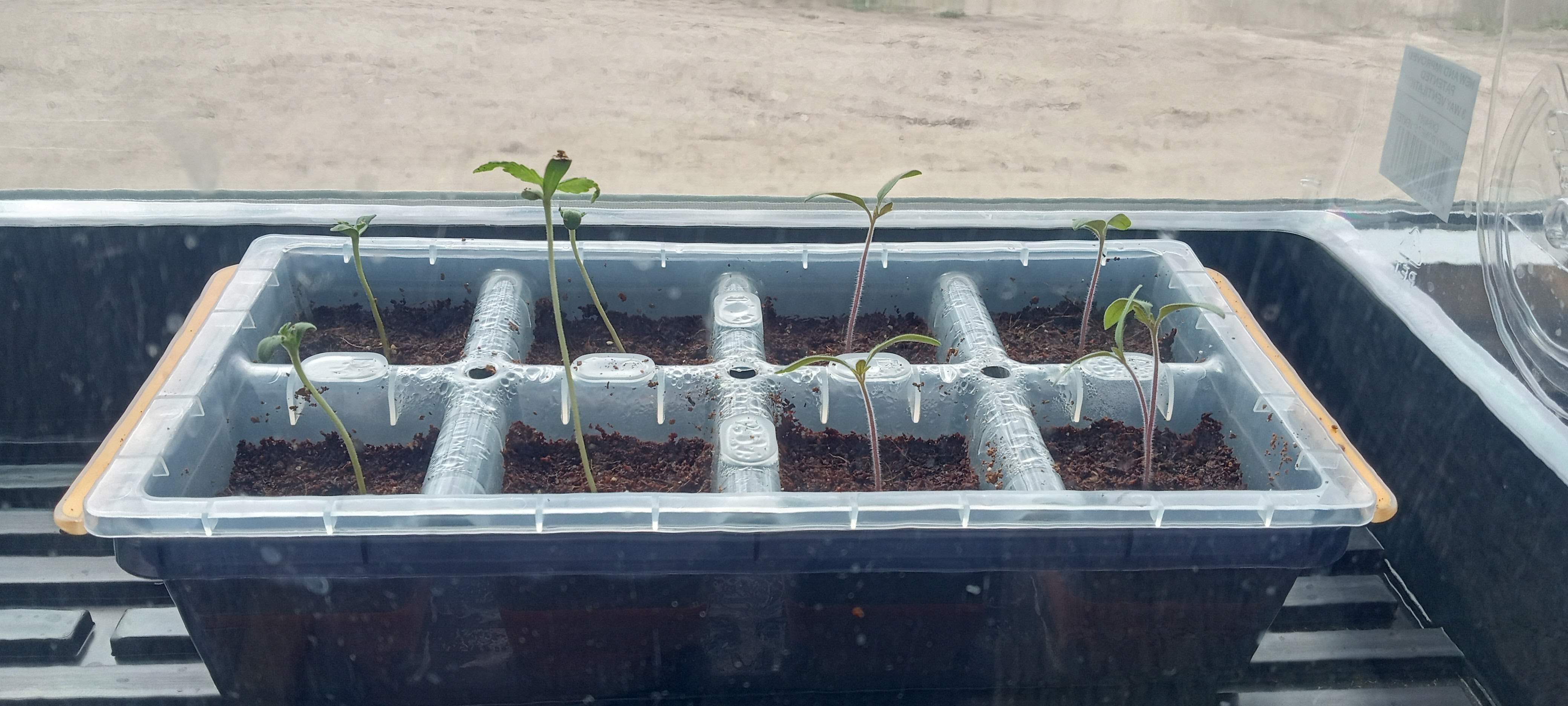
After 1-2 weeks the plants should be developing their first sets of the characteristic five bladed mature leaves. This is the time to weed out the weak. Start more seeds than you need and cull the runts. In my experience, they never match the potential of plants with more vigor. This is also a good time to transplant to larger containers.
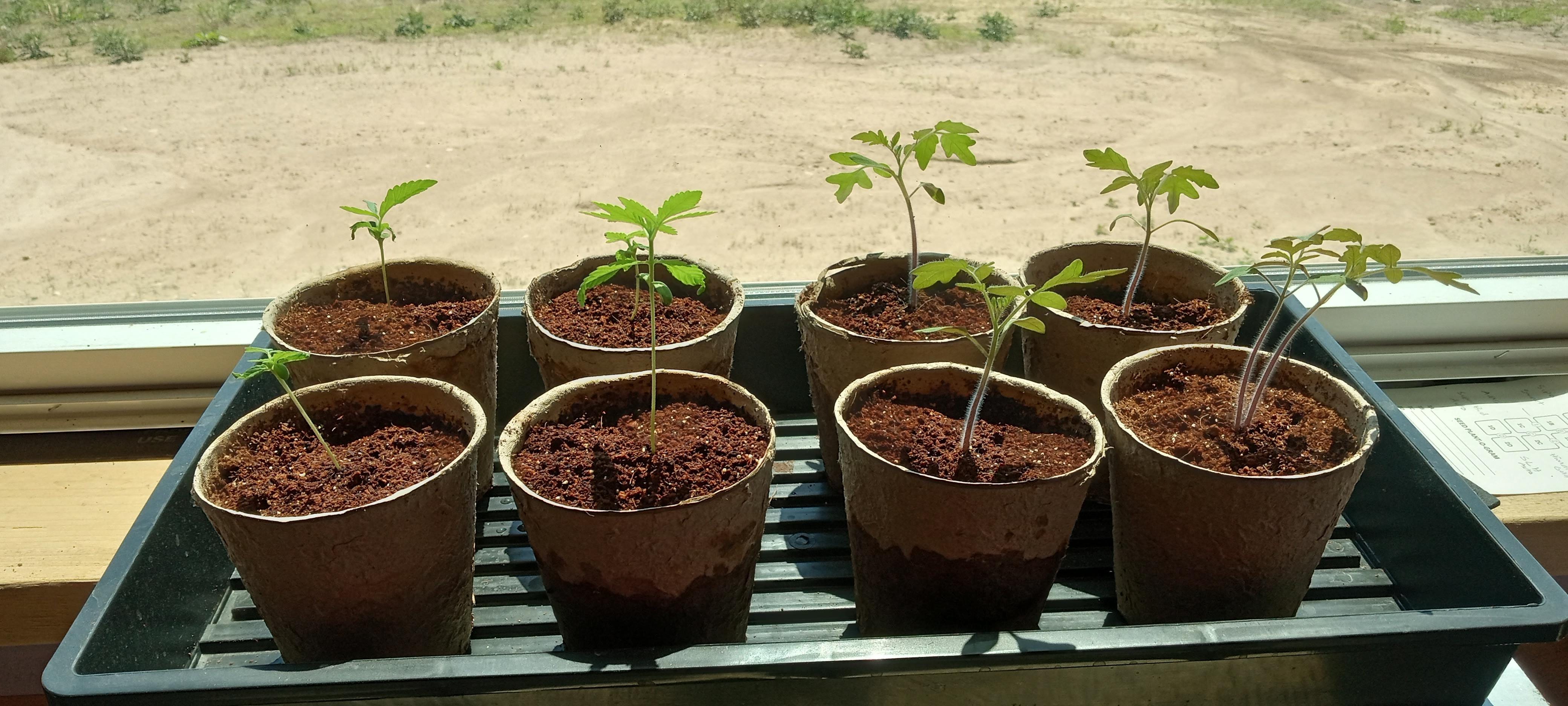
If they’re going outside, they need to be hardened up first. Take them out of the dome for a few hours and leave them outside, or put a fan on them. After a few days of this the stems will have toughened up.
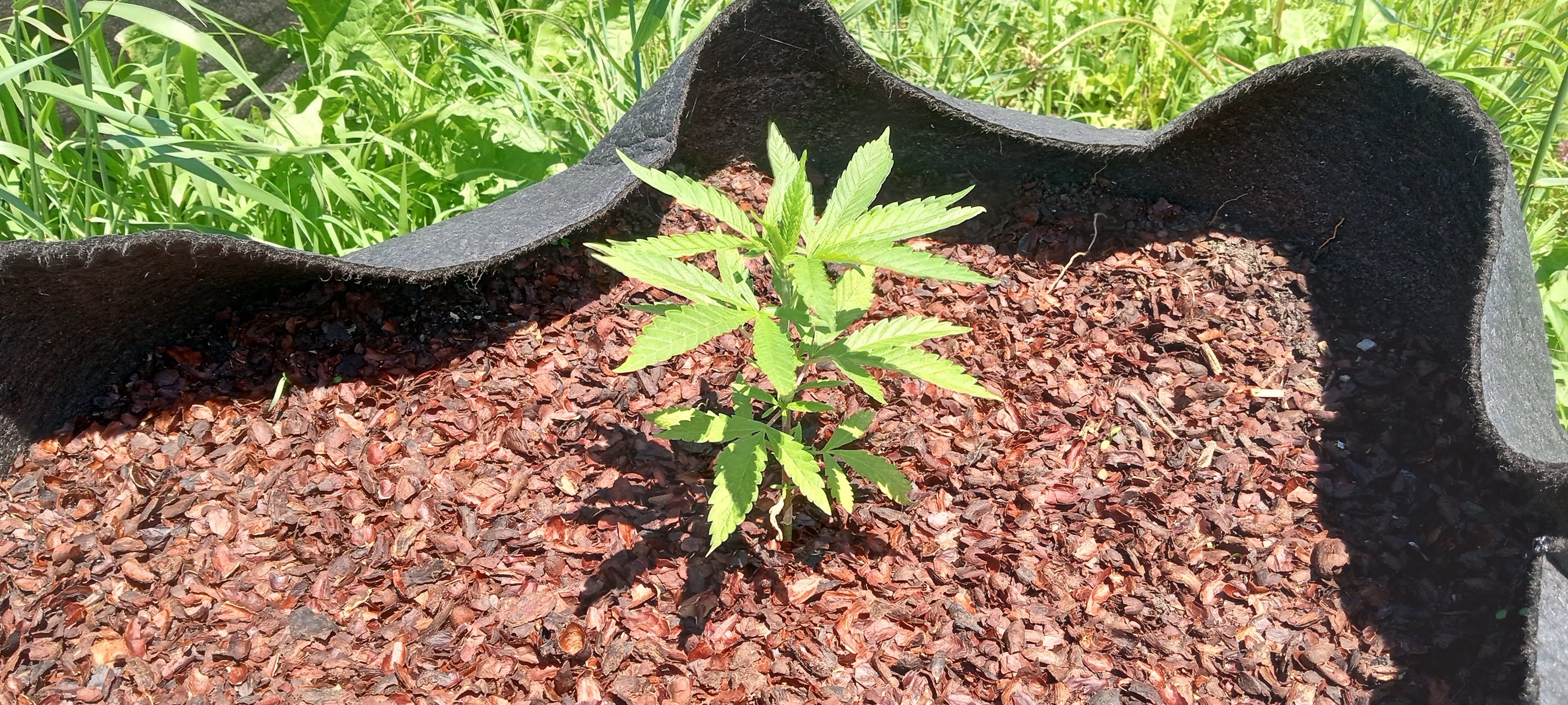
If you’re growing autoflower plants they will just start growing buds right away. These can be a good choice for beginners or outdoor grows with security concerns. The end result is weaker and the plants are smaller.
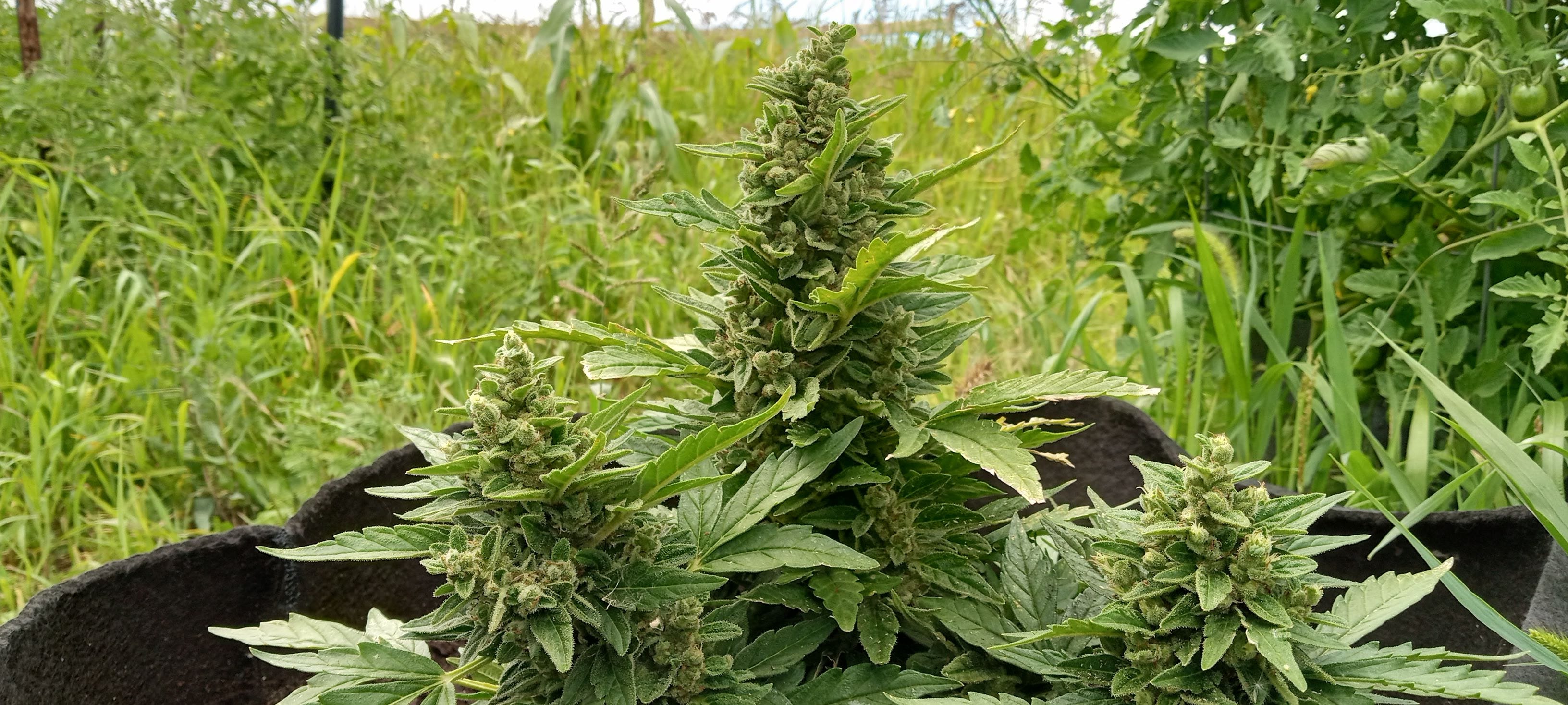
Veg
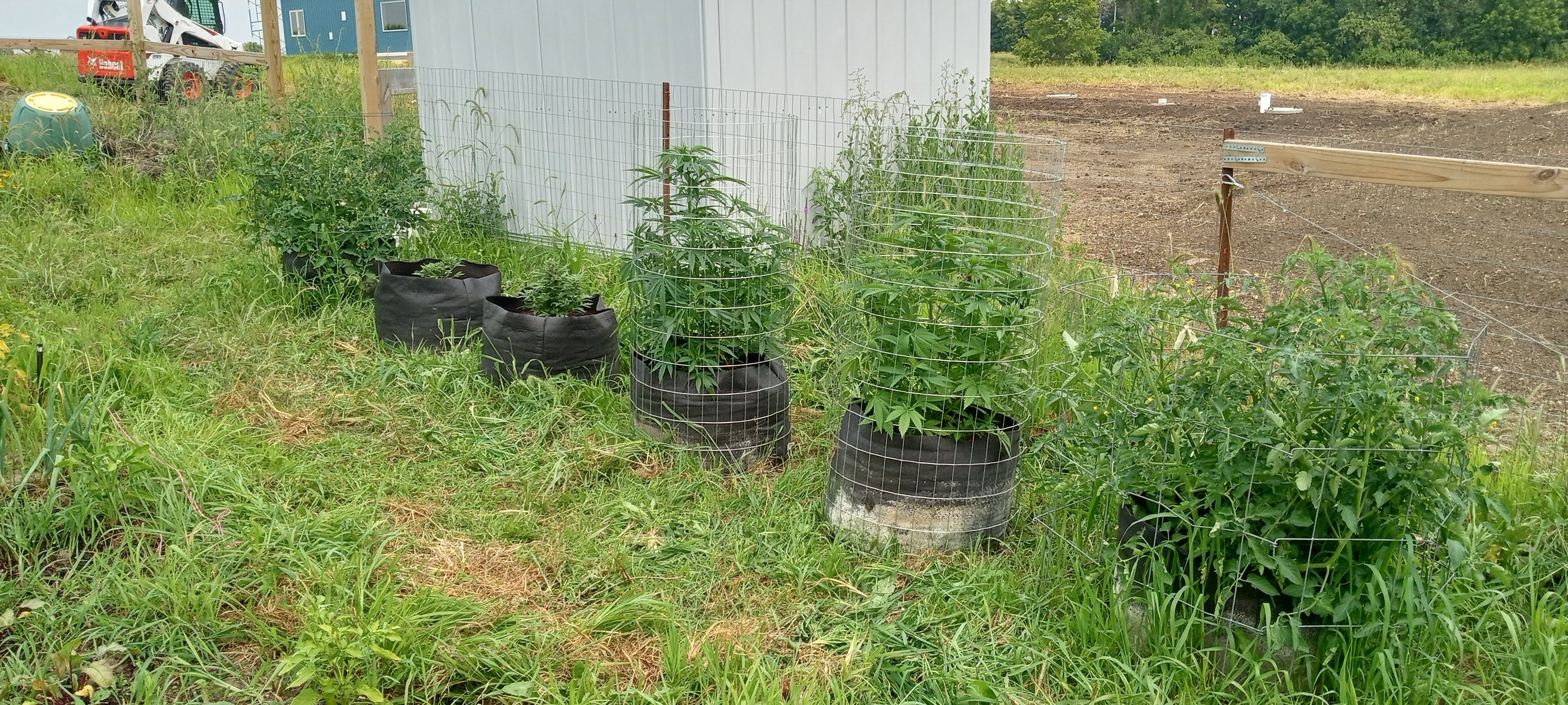
With regular plants they spend time in a vegetative growth period where they just get bigger and don’t flower. The change to flowering is set by the photoperiod. Notice the tiny autoflowers on the left, and how I’ve bookended the grow with tomatoes to disguise it from noisy neighbors. That said, we’re out here in Brite Red™ territory and plenty of people have seen the plants and not cared. Perhaps conservatives really are more open minded than liberals.
If you’re growing inside you need to manage the photoperiod yourself with a timer. I prefer:
16 hours on, 8 hours off - for veg
12 hours on, 12 hours off - for flowering
Flowering
If you’re inside, the plants won’t start flowering right away when you flip the timer. It will take about 1 month for the first whisps of flower to show up. In the meantime they just keep growing and growing. They will stretch to about 2-3x in size during this period. Make sure to leave room in your grow tent by flipping before they get too big.
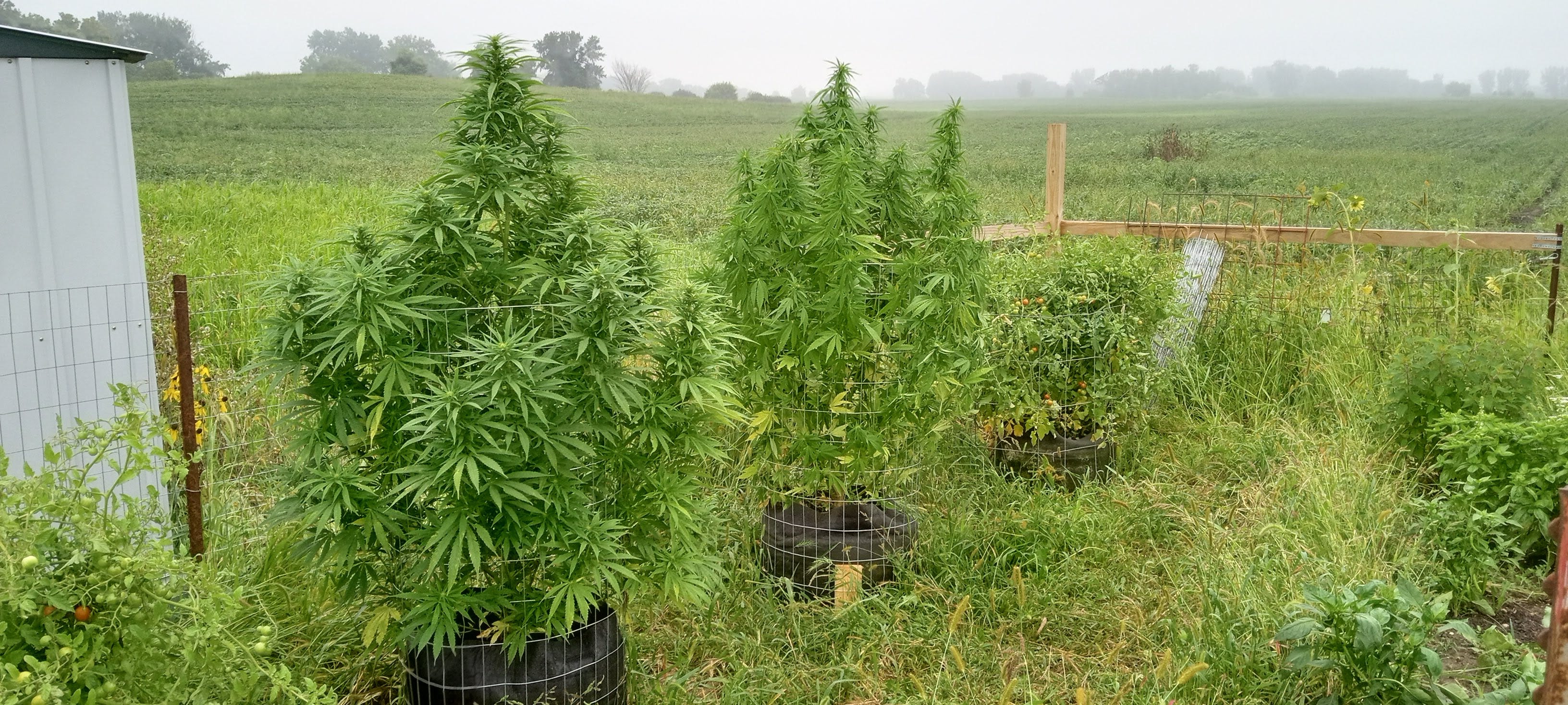
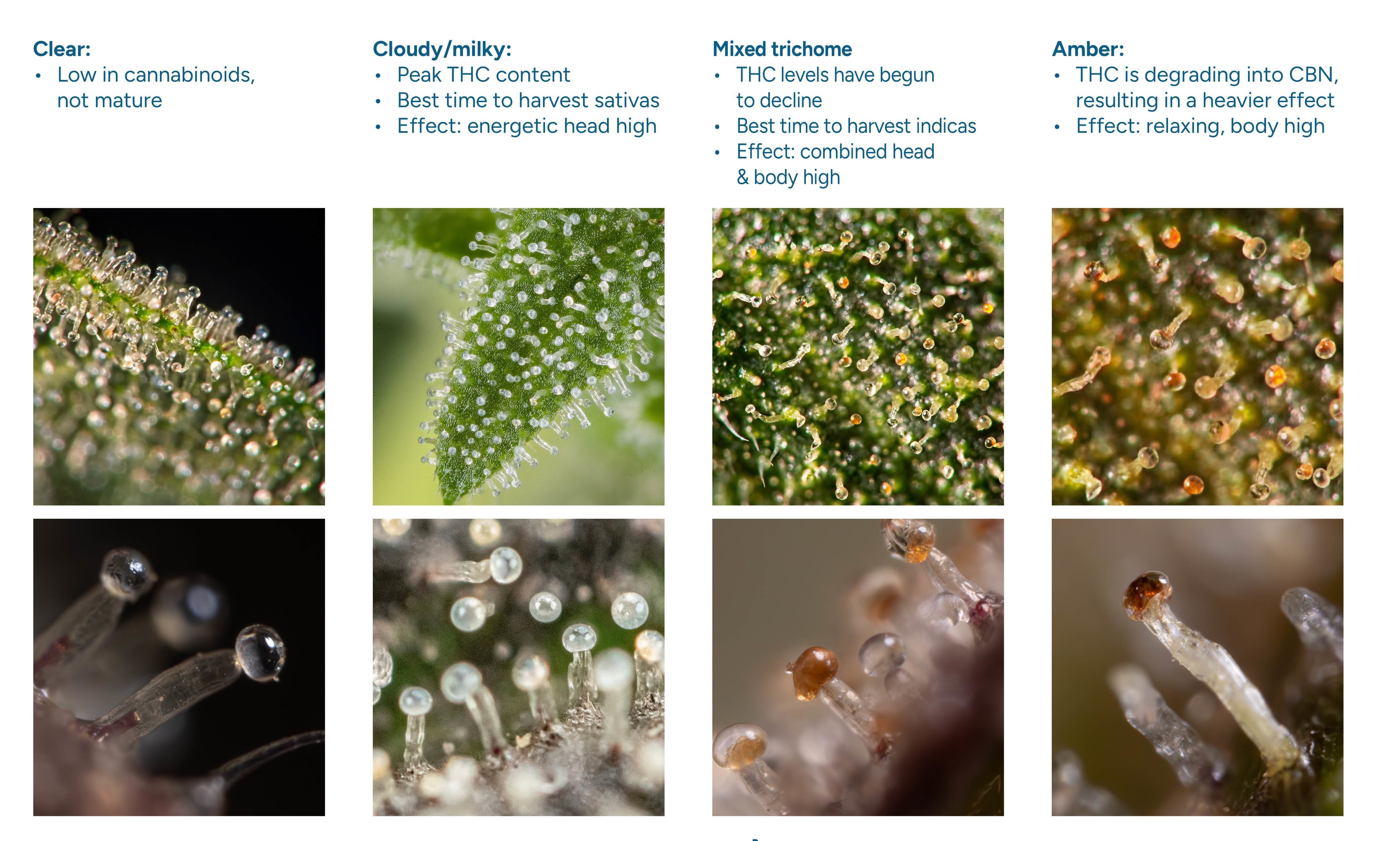
After they flower for about 1 month they are getting close to harvest. This can take substantially longer for some Sativas. The key here is to watch the trichomes. I like to harvest when they are cloudy but this is a personal taste thing. If you are doing hydroponics it is a good idea to swap the nutrient mix out for straight water for the last 1-2 weeks. This is called flushing.
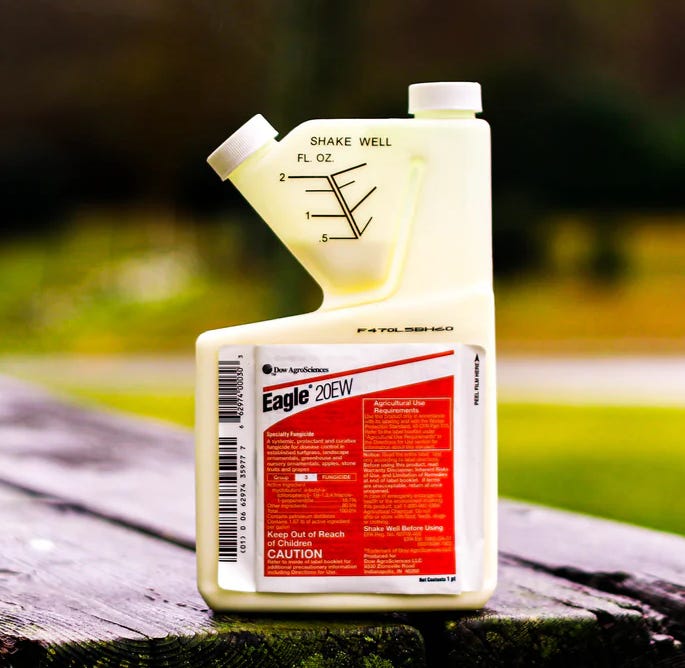
A primary killer of buds is mold. As the buds get bigger and denser they are a target. Indicas have the densest buds and are most at risk. This is a prime reason to grow your own. If you’ve ever gotten a headache after smoking weed, it was probably hit with an anti-fungal such as Eagle 20EW. There is an unavoidable economic pressure on commercial growers to use these chemicals.
Drying
After you harvest the crop you need to start drying it. I’ve found it’s best to cut the buds off the stalks right away. If you leave them on you’re risking mold. My drying racks are made from old 2x4s with 1/4” stainless mesh stapled to the bottom. The buds dry until they reach about 25% of their original mass. Feel free to sample at this time and dry to personal taste.
An advanced technique is to only harvest the biggest buds, and let the smaller ones keep growing another week or two.
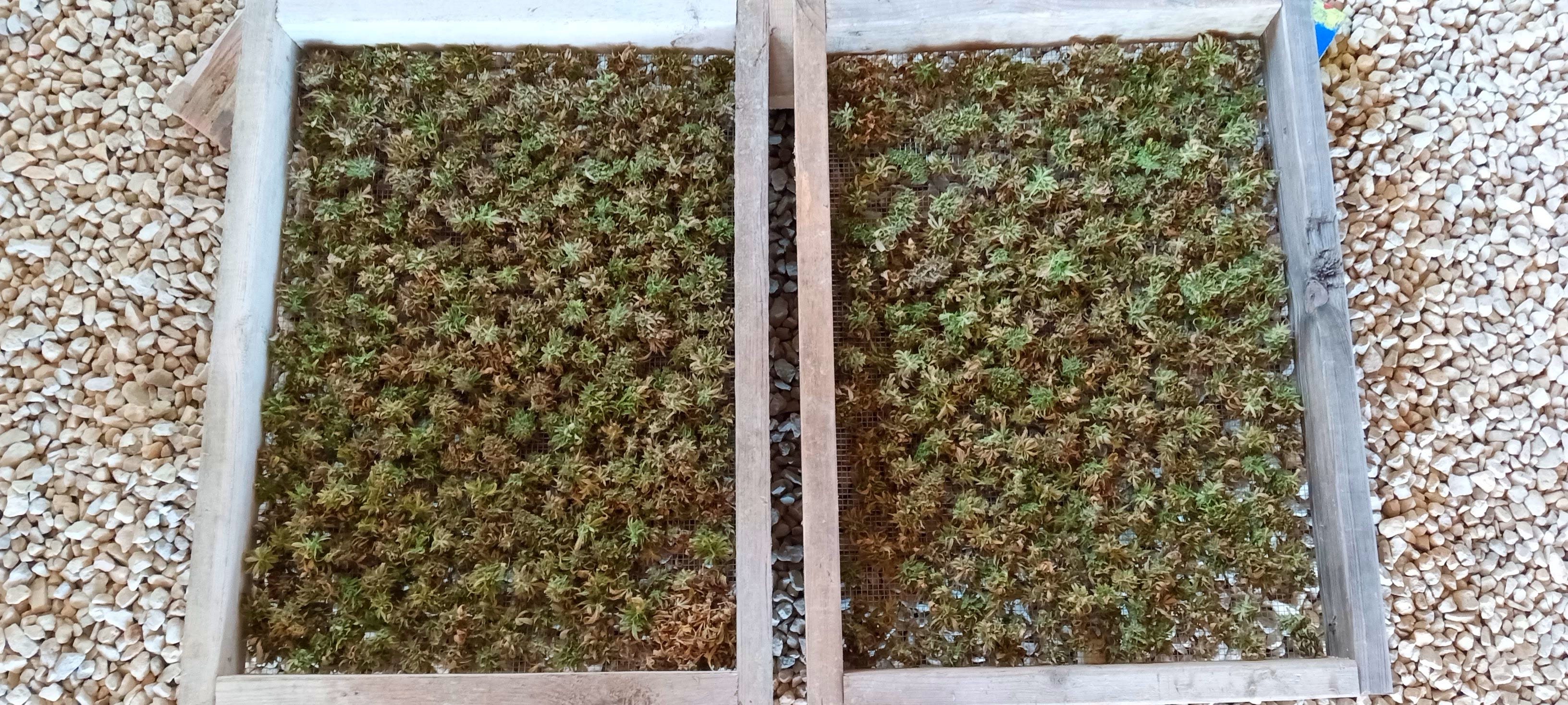
You can jar them up at this point, but over the next week open the jars and check the moisture level.
‘DRO
I get it you want to grow hydro not this lame seeded outdoor hippy shit. Allow me to explain the Hempy Bucket. This is a super simple version of hydro that gets BIG results. I have grown plants with this method indistinguishable from fancier hydro systems like ebb and flow.
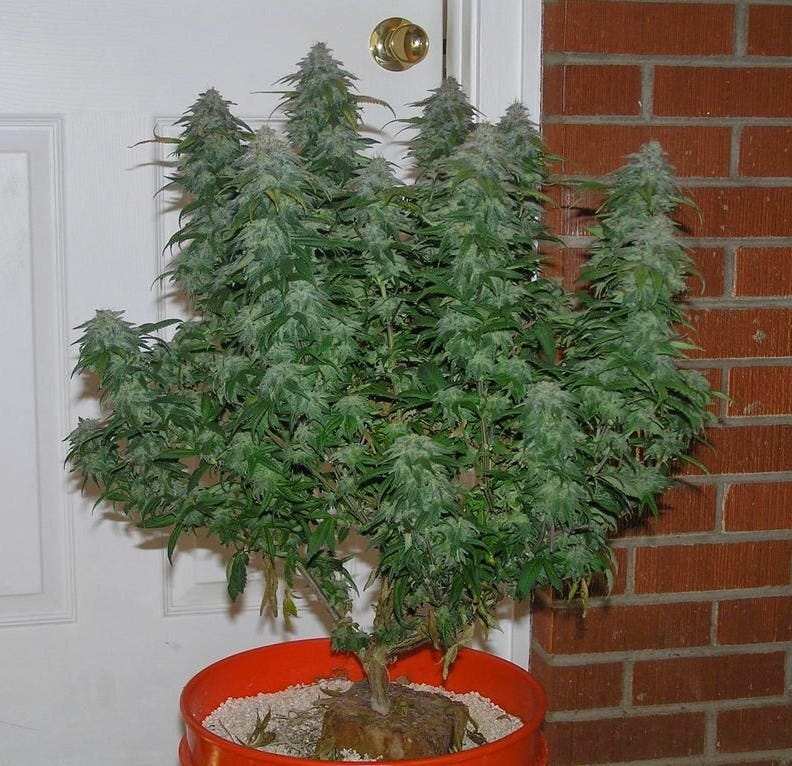
Just take a bucket, any size will do, and drill a hole about 2” from the bottom. This is the drain hole for the reservoir on the bottom. Fill it up with perlite. If you’re using Miracle Grow brand perlite from a box store, it will need to be rinsed to remove the crappy fertilizer they put in it.
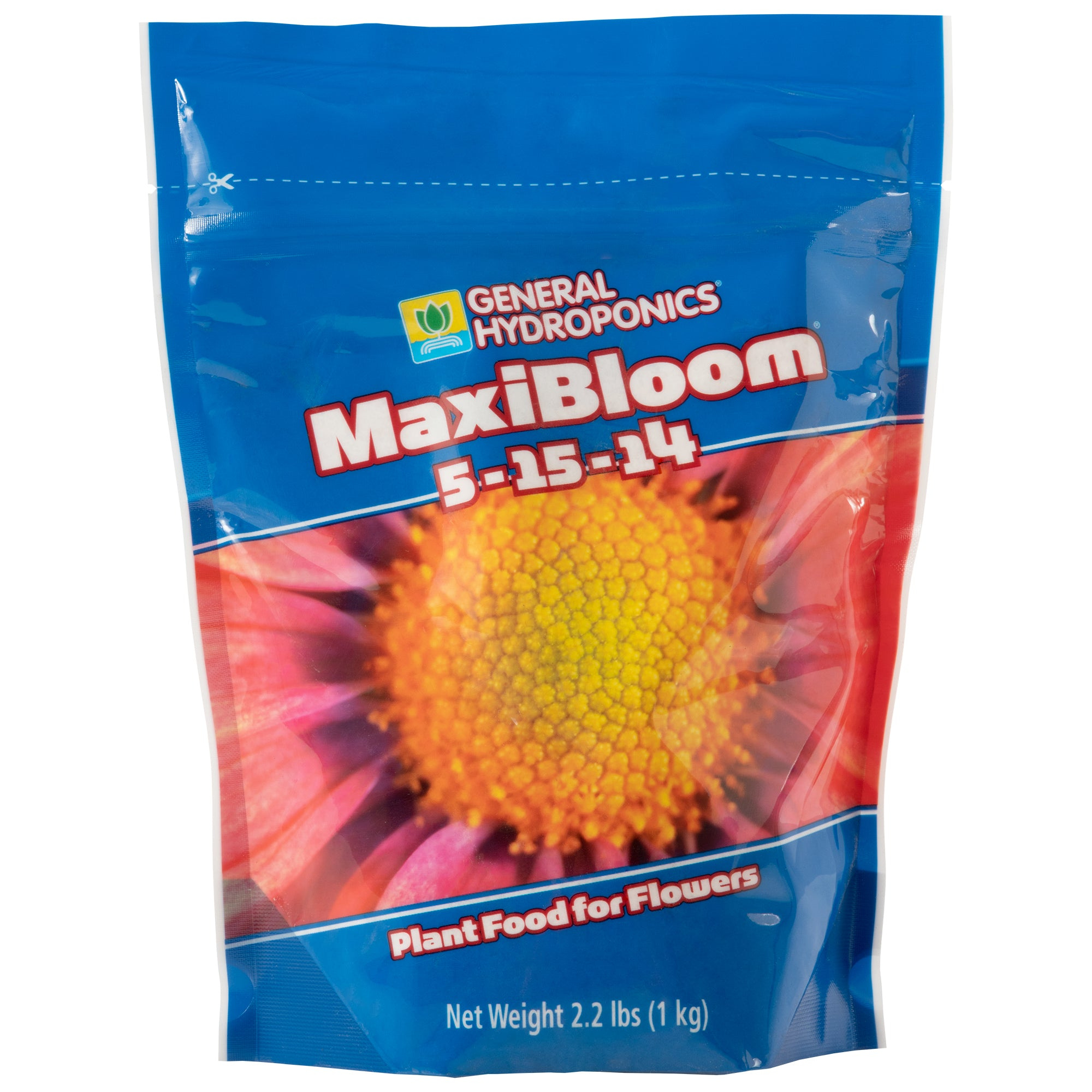
Water it every day with a hydroponic nutrient mixture until excess comes out the drain hole. My favorite nutrient mix is General Hydro MaxiBloom. This is a 1 part dry mix that is absolutely perfect for cannabis. You don’t need any fancy bloom boosters or voodoo growth maxing solutions, just MaxiBloom and maybe some Cal-Mag. Take the label suggestions and start at 50% of what they say - they are selling product after all.
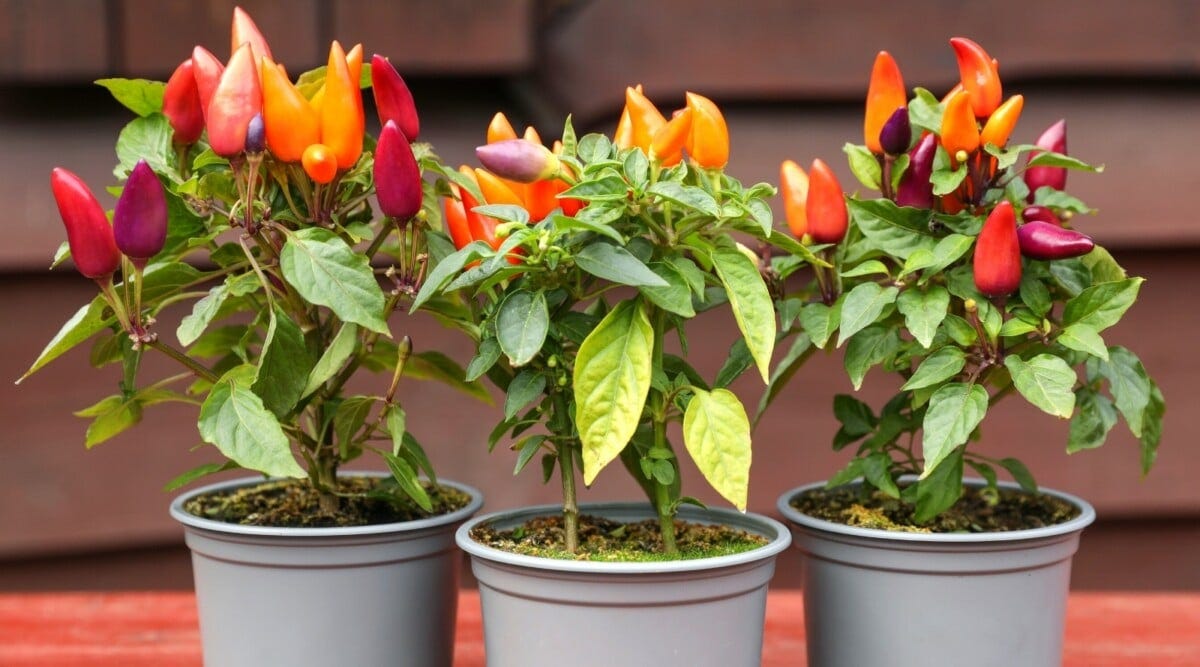
I have used the Hempy bucket technique with great success on hot peppers as well. There are nutrient mixes specific to this purpose. A south facing window is all you need for these.
Not enough? You want a total overkill hydro setup that will make your grow tent look, sound and smell like the ganja space station from Neuromancer? The best one I’ve run is the PPK system, invented by delta9nxs on the Icmag forums.
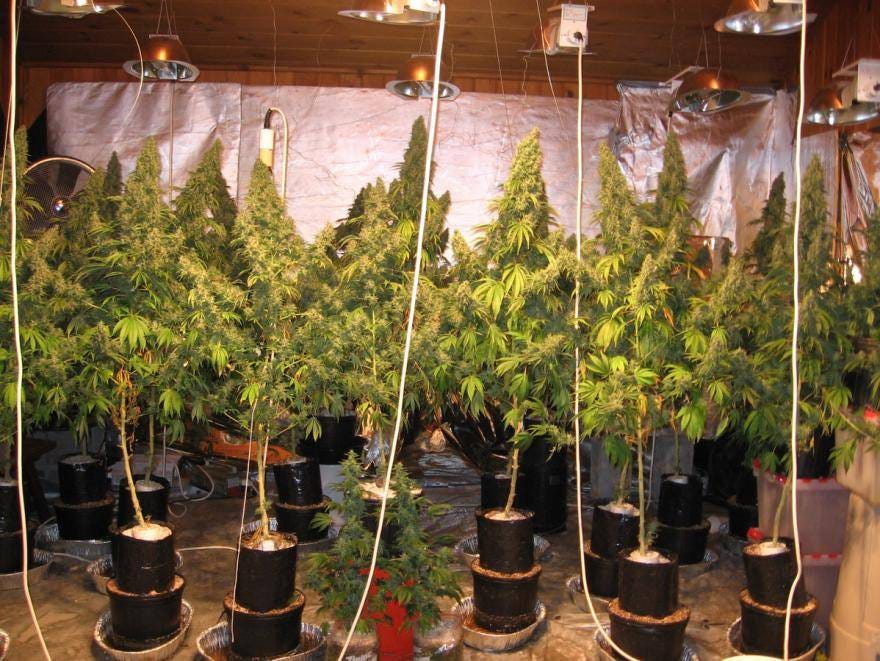
The PPK system is built around maximizing wet/dry cycles and oxygen uptake in the root zone. Its pump runs on a timer and sends a pulse of nutrient solution to the plant every 20 minutes or so. The top bucket is connected to the bottom bucket by a sink tailpiece. After the top fills, siphon pulls the solution into the bottom bucket with an audible slurping sound. This quick-draining siphon action pulls a column of fresh air into the root system of the plants. The grow media is “oil dry” from the car parts store with all the fines removed.
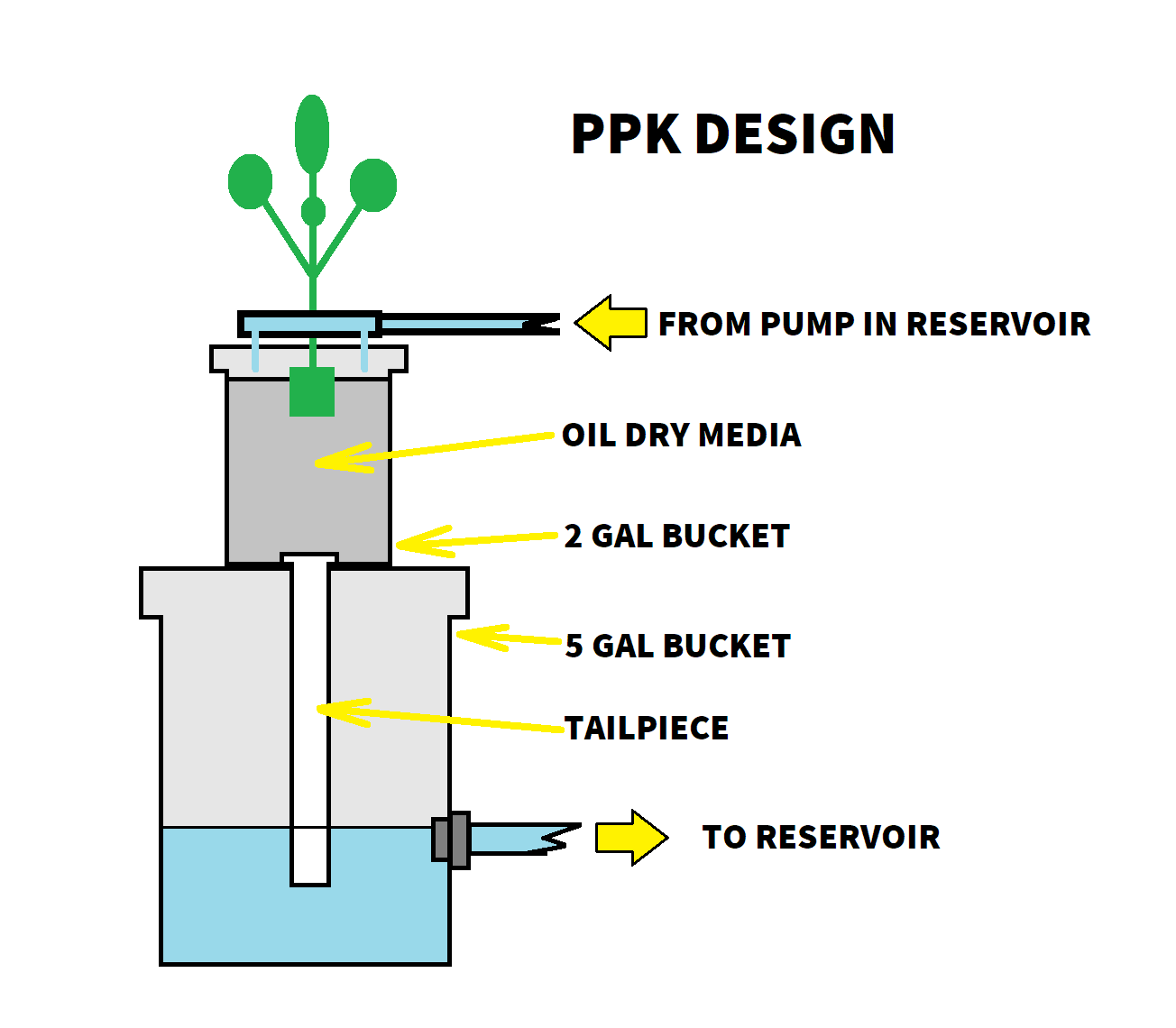
In a conventional hydro system like Deep Water Culture, the roots are immersed in the nutrient solution. This means their “breathing” is limited by the amount of oxygen dissolved in the water. This falls off rapidly as temperature increases, leading to the use of chillers with these systems. In contrast, with the PPK system, the plants sit in a fresh charge of air almost all the time.
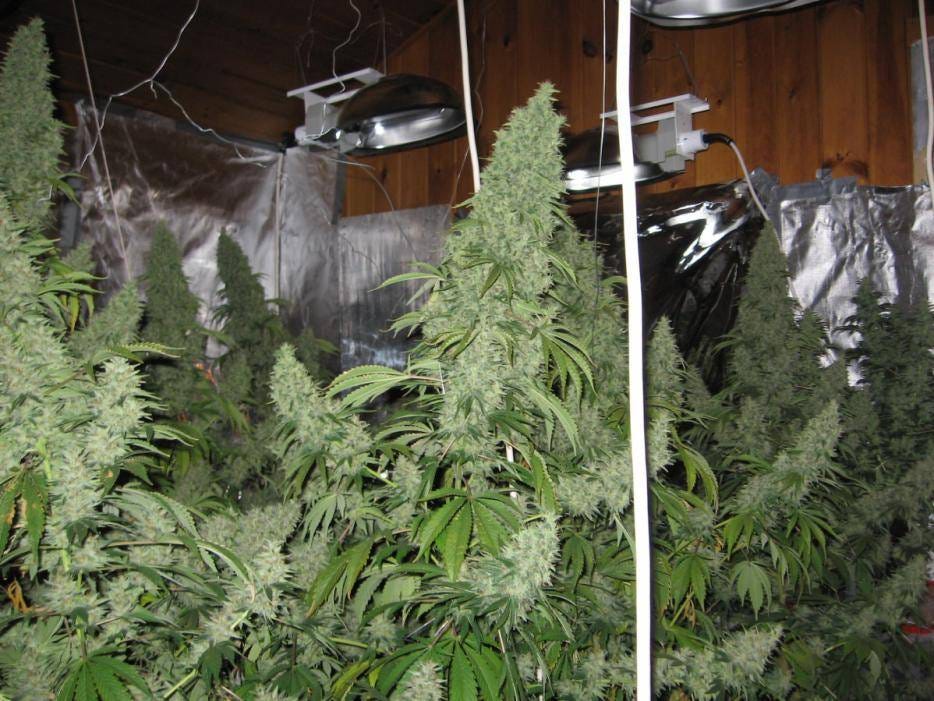
This leads to rapid growth and can raise monster plants - very useful under a legal regime where plant numbers are limited.
Organic Soil
You want to get high, but not that high. You’re a parent and you’re getting old, you just want to relax and enjoy the vibes and flavors like its a fine wine. That’s where organic soil comes in. This method also has the most crossover to regular gardening.
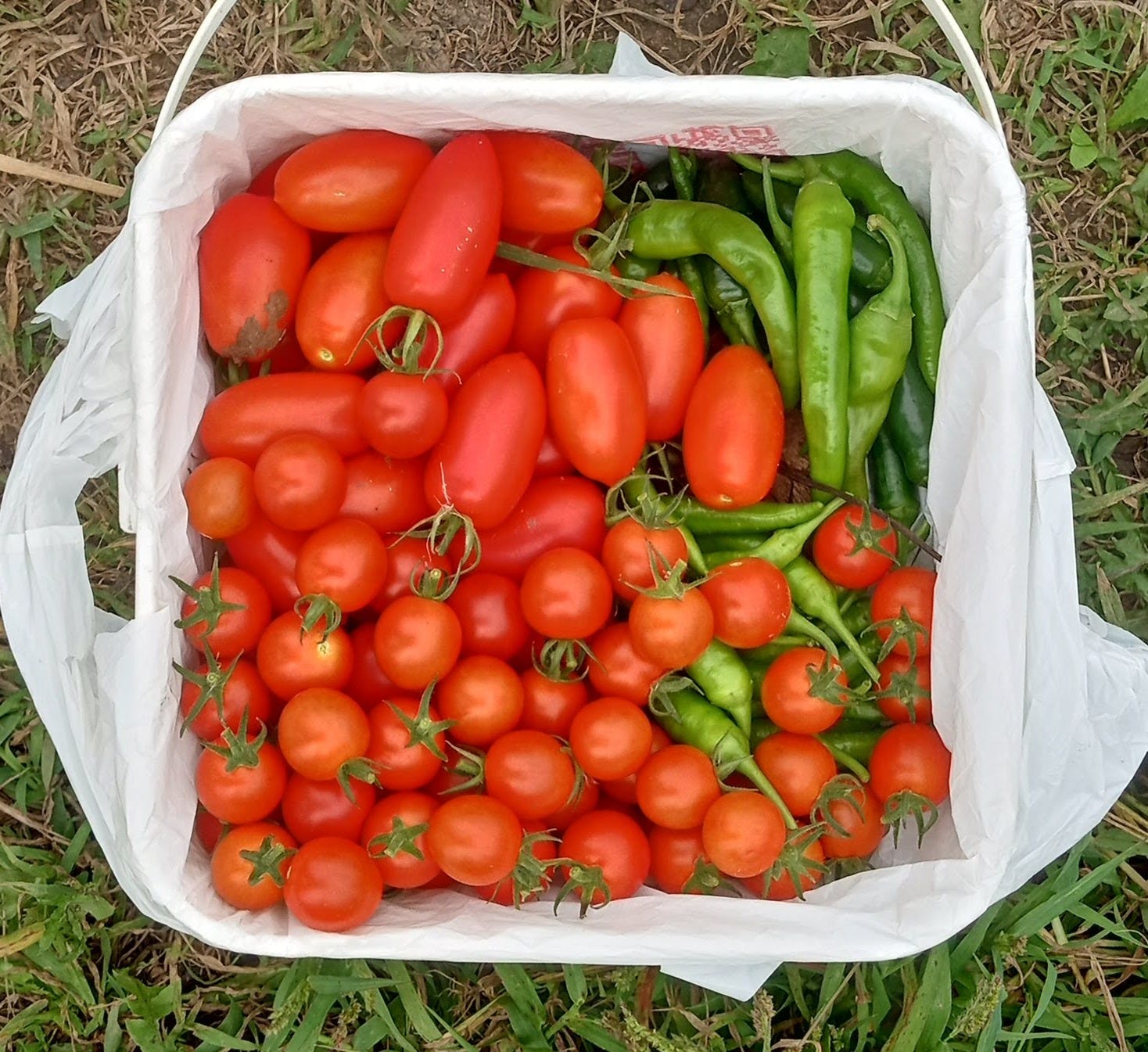
A key difference between conventional and organic gardening is what you’re feeding. With hydroponics and chemical fertilizer gardening, you’re feeding the roots directly. With organic soil, you’re feeding the bacteria in the root zone. Their poop is what feeds the plants. These bacteria have co-evolved for millennia with plants, and consequently, they’re really good at giving plants the poop they crave.
Smart Pots & Drippers
Because I’m a nerd who habitually over-complicates everything, I like to do organic soil with smart pots and drippers. The pros like this approach as well:
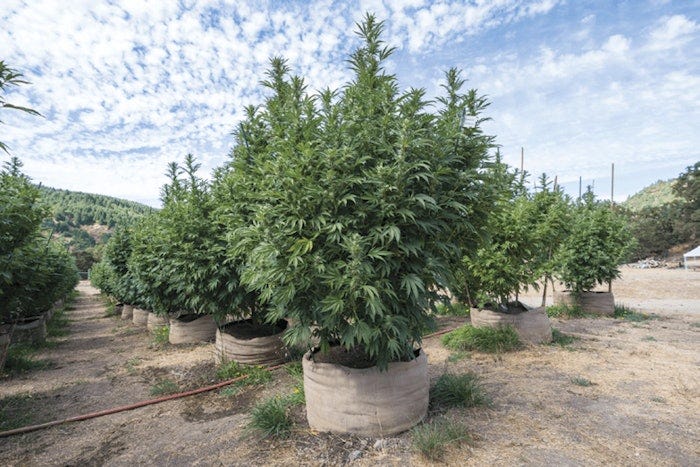
There are a couple advantages to the fabric pots:
Roots that grow through the pot get “air pruned” and don’t spiral like in hard pots.
Less weeding and the nutrient rich soil in the pot tends to stay there.
They dry out faster.
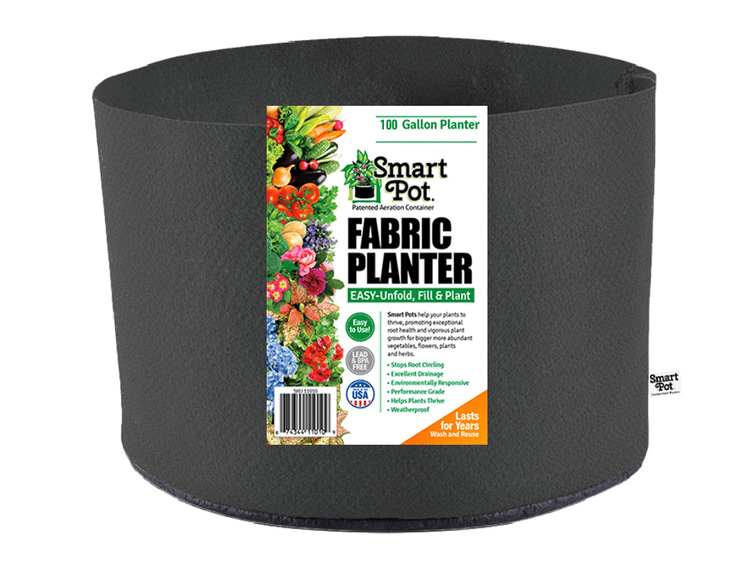
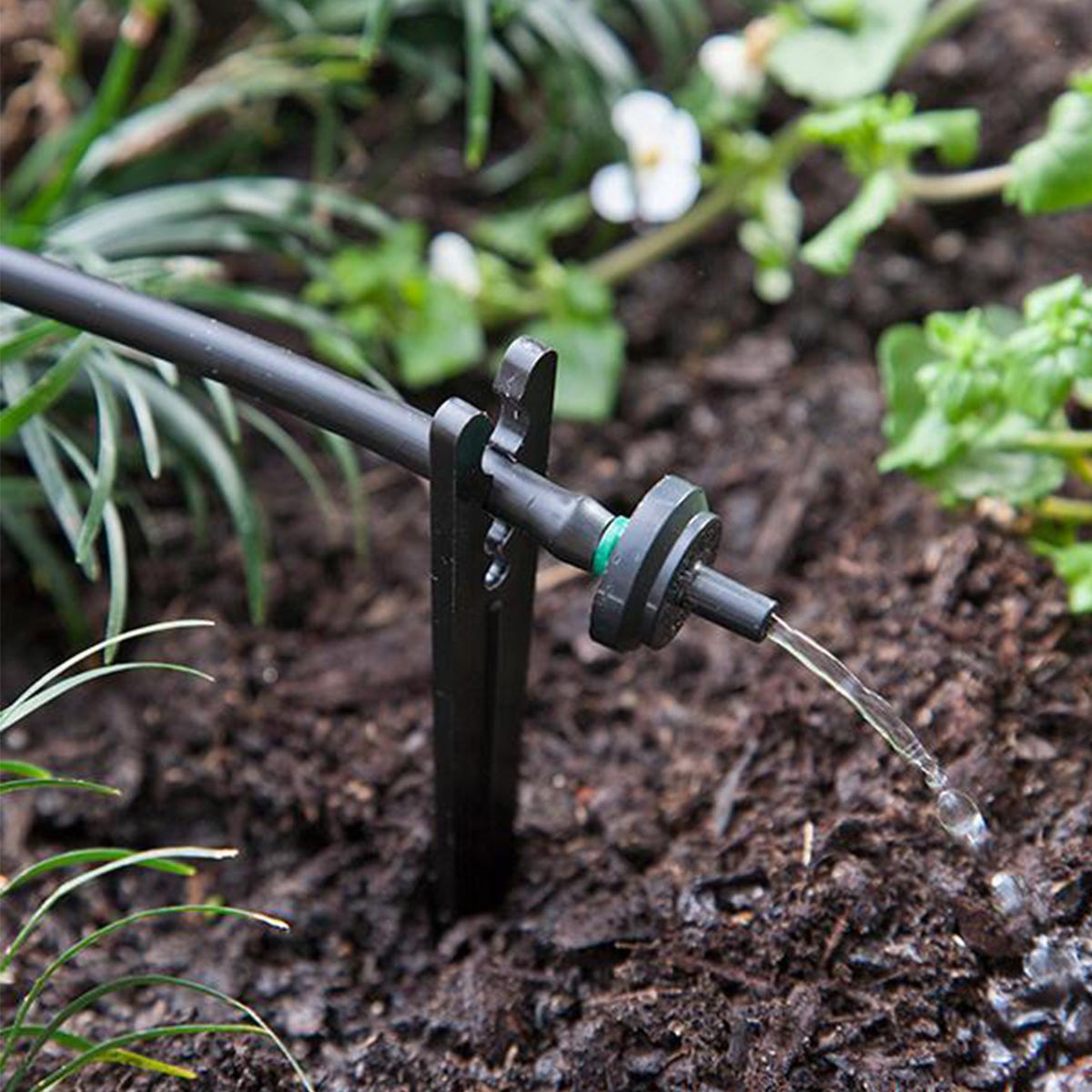
Just like with the PPK hydro system, the strategy is to max out the wet/dry cycles. This makes the quick-drying smart pots an advantage. Drip irrigation on a timer keeps the roots from getting too dry. My favorite mulch is made from leftover cocoa hulls from chocolate production. Over time it breaks down into fertilizer with a favorable NPK profile.
Organic Fertilizer Tips
They sell decent organic fertilizer at the box stores now, but its usually low in phosphorus for cannabis. A great fix for this is fish bone meal. It functions similar to regular bone meal, but breaks down faster, making it available as the plants are flowering. It works great on vegetables and berries as well.
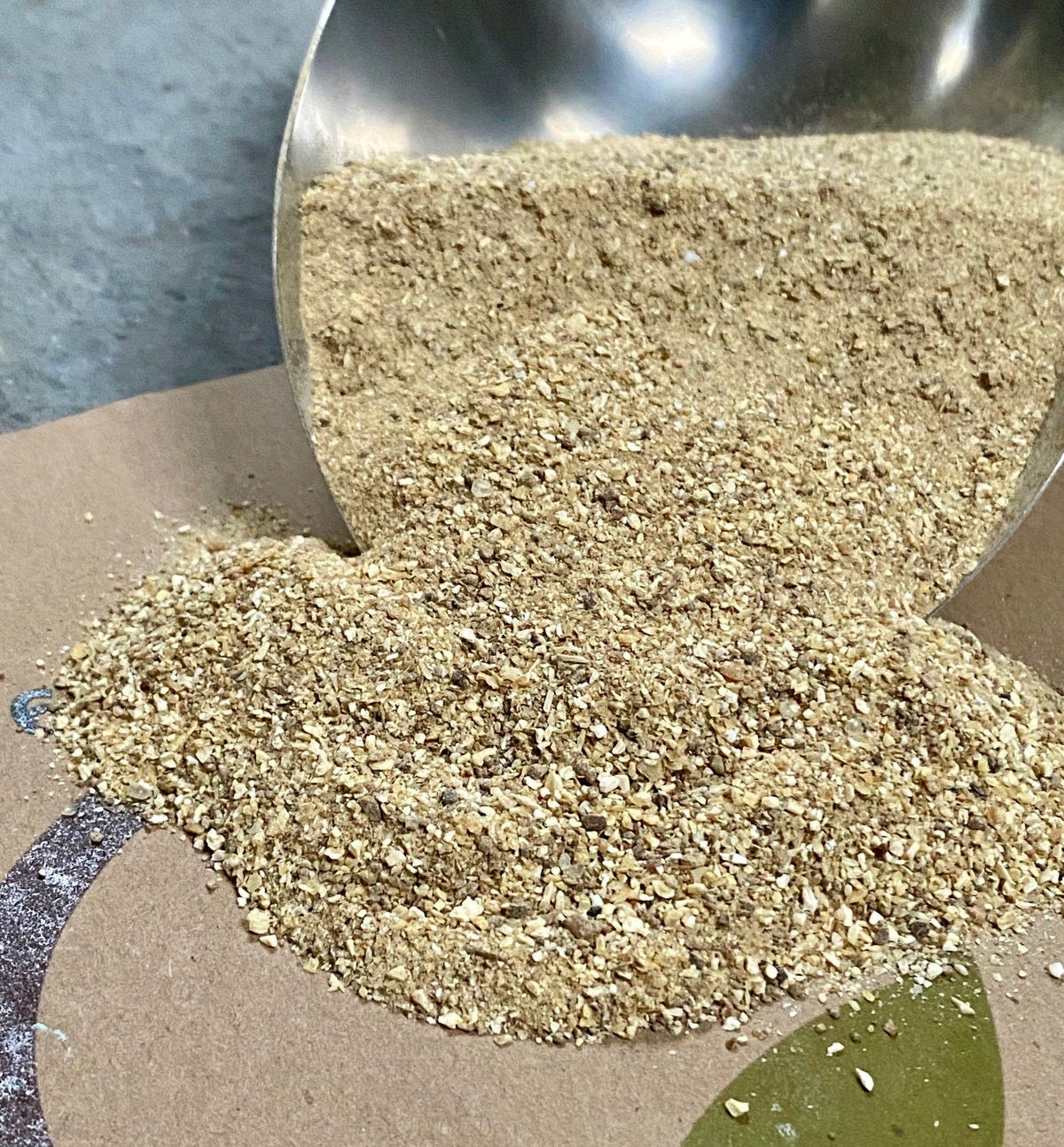
With organics a broad spectrum approach is warranted. If you have access to composted manure or other local fertilizers, feel free to add these in too.
The soil can be low in trace elements. There are various rock dusts that include these, such as Gypsum (like in drywall). In the past I’ve used a fertilizer mix intended for trees that includes a selection of these. They are called trace elements for a reason - you don’t need a lot.
Aerated Compost Tea
The hardest part of organic growing is the delay between when you fertilize and the microbes making their poo available to the plants. One way of short-circuiting this is aerated compost tea.
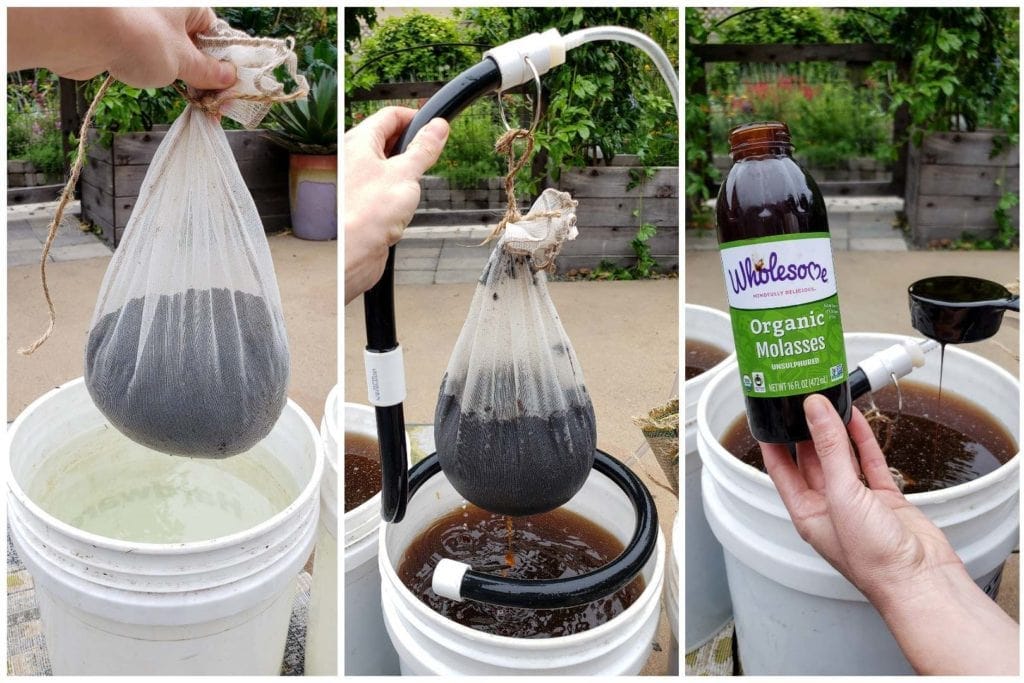
It is what it sounds like - tea made from compost with a bubbler in it to create an aerobic environment. It works by creating the perfect environment for soil microbes to pre-eat and pre-poop food. You then feed the microbe poop tea to the plants which just love it.
The linked guide also shows the use of organic molasses with the tea. This stuff can be diluted and fed directly to the soil microbes as well. It gives them more energy to eat more stuff and poop more. A great time to apply it is near the end of the plant life cycle.
Grow Room Tech
If you don’t have a secure place to grow outdoors, a grow room is your next best option. When I started out I didn’t know about grow tents and made this intense grow cube with 4x4 posts, tub shower liner and an epoxy countertop. It had doors made of that cheesy faux brick fiberboard stuff and a 600W HPS bulb in the middle, vertical style. A very big fire hazard!
The Starter Pack:
4’x4’ Grow Tent
600W HPS bulb, digital ballast, and reflector
4” Centrifugal blower and charcoal filter
Digital timer
Some people like LED lighting but in my experience they suck. The spectrum is not as good HPS or CMH and the buds don’t grow as dense.
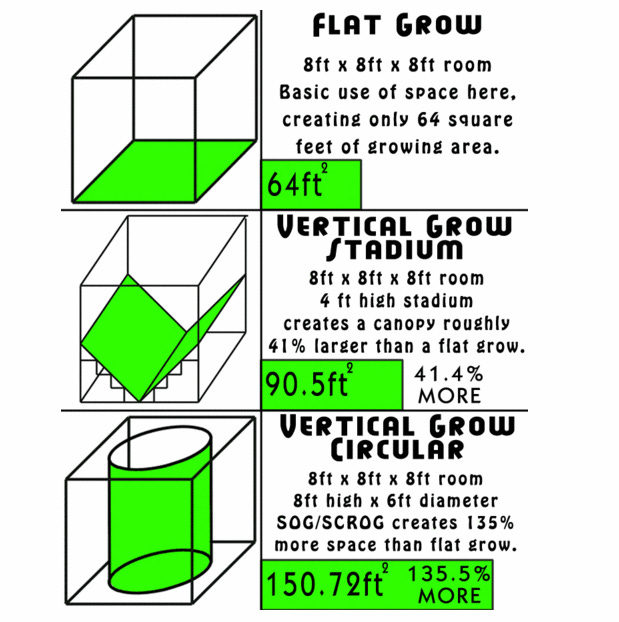
Vertical Growing is a pro technique where the light sits in the middle of the plants, which are trained to grow around it in a cylindrical shaped canopy. In my experience it has several advantages over a flat grow:
Bigger and denser buds because more of them are really close to the bulb.
Better growth on the bottom half of the plant.
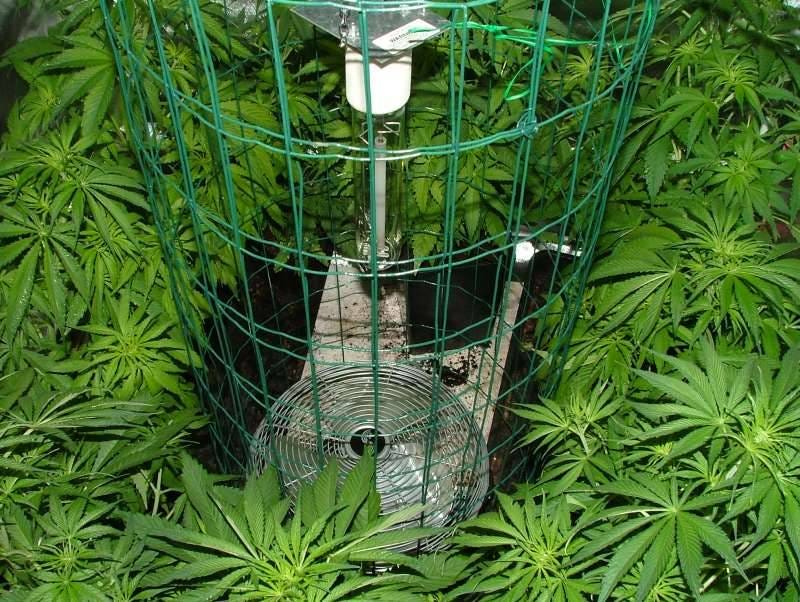
Downsides are:
The need for a much larger grow tent for the same size bulb.
More difficulty in flipping the light schedule at the right time to accommodate stretch.
Less ease of access for tending the plants.
Genetics Matter
In my experience, genetics are everything when it comes to gardening. As the gardener, you have some control over the environment, but even under ideal conditions, the plants will only grow to their genetic potential.
I recommend purchasing feminized seeds from an established breeder. Highlighted are some that have worked well:
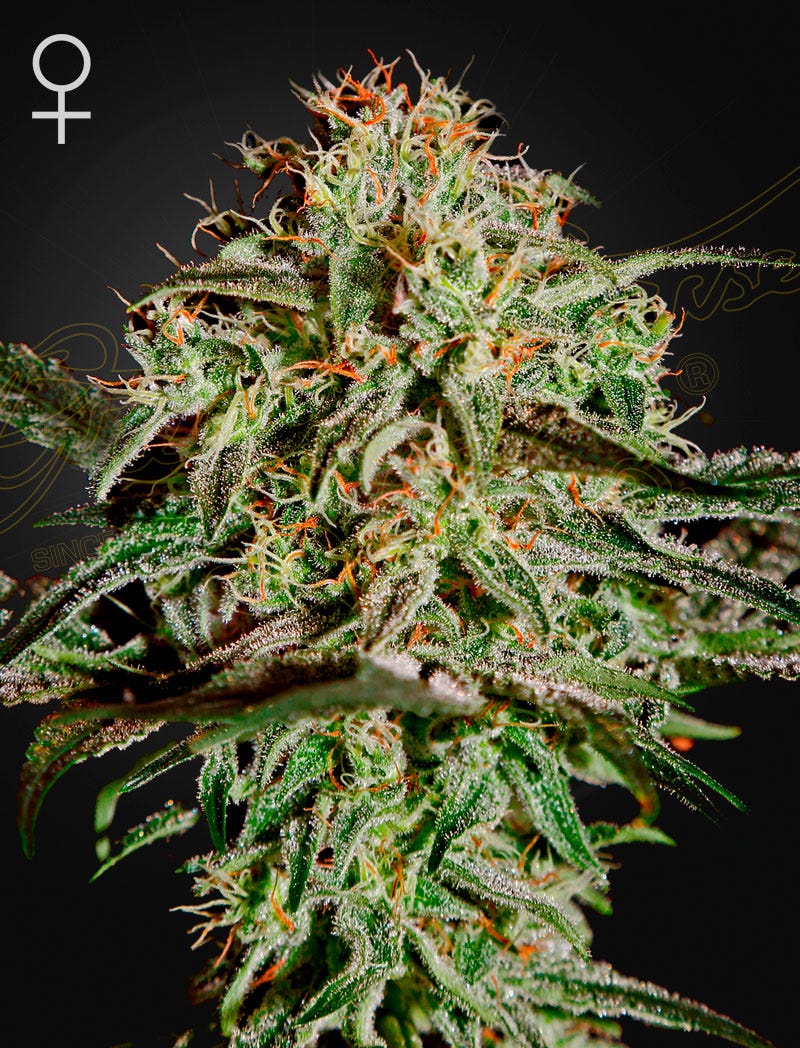
AMS
The AMS is one of the most classic outdoor strains from the Green House Seeds catalog. It has won its popularity because of its extreme resistance to pest and fungus, so much so that was named for this quality: Anti Mold Strain Is what AMS stands for, aside from being a little tribute to Amsterdam City.
It is the result of the cross of two old-school Swiss strains that were offered to Arjan by one of his great friends, and the result is a beautiful mix of a mossy-foresty smell and ripe red fruit flavors like an old jam would smell, combined with some rock-hard buds.
Great choice for an outdoor grow. The anti-mold claims are true.
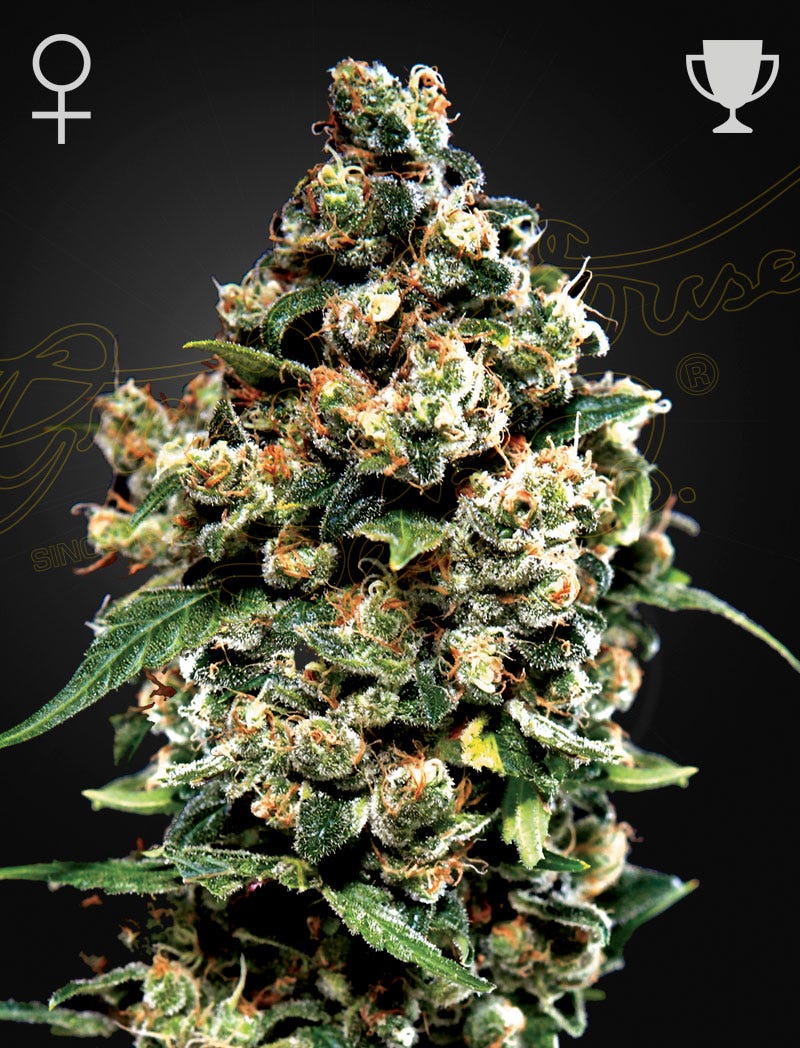
Jack Herer
Jack Herer started life as a normal Jewish kid. He grew up in New York City, the son of Polish immigrants. He served as a military policeman in the Korean War and was a pro-war Republican, even naming one of his kids after Barry Goldwater. After his service, he got married and became a sign-maker. His bucolic life was disturbed, however, when he discovered that his wife (the first of four) smoked weed. He promptly divorced her and moved to California.
Which is ironic, because upon settling into L.A., he met another woman who really wanted to get him high. The year was 1967, and Herer was 30. According to his biography, “This girl wanted me to experience something I’d never experienced. She tried three times to get me high. Finally it worked, and I had the most incredible sex I’d ever had.”
Stash Box: Jack Herer’s Journey From Prohibitionist to Hemperor
Great sativa. Never checked Early Life on Jack before.
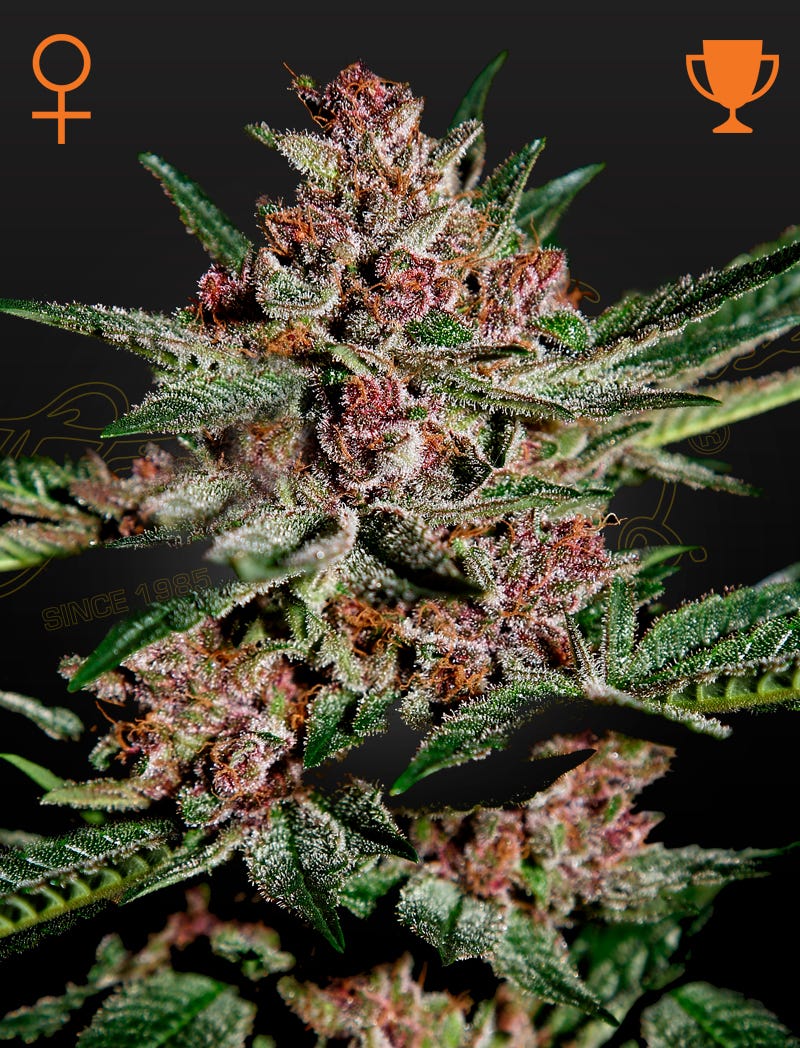
Bubba Kush
“There’s exotics that maybe taste better, and the OG is stronger, but the elements that the Bubba carries in terms of the taste and the impact of the high, I think it’s one of those old-school flavors that people are nostalgic about,” B-Real said. “It’s such a loved strain. It’s not the best one out there but it definitely holds its weight and holds ground. From the bag appeal to the yield, cultivators always loved it,” he said.
Popularized by Cypress Hill - a great choice for impressing your friends with your ability to grow Rapper Weed. Organic techniques can bring out a distinctive Skittles candy flavor.
THC Fizzy Drinks
asks:Cannabis Beverages: How They Are Made And How They Are Tested
Cannabis beverages are made with a process known as emulsification. The use of emulsification is relatively new to the cannabis industry, although it’s been a mainstay in the beverage market for a long time. This process creates water soluble cannabinoids and enables them to be mixed into water-based solutions.
Cannabinoids are naturally hydrophobic, meaning they do not mix with water. These hydrophobic molecules tend to clump together when they enter a water-based solution, instead of distributing evenly throughout the medium. That means cannabis beverages made with cannabis that has not been emulsified will not be homogenous, or the contents will not be evenly distributed for predictable portions.
To solve this problem, cannabis beverage producers use emulsifying agents, just like when mixing water- and oil-based ingredients in baking and cooking. These emulsifying agents encapsulate the cannabinoids in a hydrophilic, or water-friendly, coating. This causes them to form structures known as micelles when mixed into water-based solutions; in a micelle, the hydrophobic cannabinoids cluster on the inside to avoid the water-based solution and the hydrophilic aspects of the emulsifying agents cluster on the outside, bonding with the water.
Basically they use synthetic emulsifiers such as Polysorbate 80 to help the cannabinoids mix with water. These can cause inflammation and are possible endocrine disrupters.
Yet another reason to grow your own. It’s easy to cook it into chocolate with butter if you don’t like smoking. Commercial cannabis, whether it is flower, fizzy drinks, vape juice or oils, contains adulterants and is bad for your health.
80/20 Rule
Weed is bad for most people. I estimate 80%. You know the stereotype:
In parent’s basement on PC
No job - occasionally streams videogames
Spend whole day on social media calling people BUTT N-WORDS

Whether you see subversives like Jack Herer as heroes or villains depends heavily on where you slot in that 80/20 distribution.

It’s wise to examine the sayings of Rabbi Yeshua on this topic:
Different kinds of fruit trees can quickly be identified by examining their fruit. A variety that produces delicious fruit never produces an inedible kind. And a tree producing an inedible kind can’t produce what is good. So the trees having the inedible fruit are chopped down and thrown on the fire. Yes, the way to identify a tree or a person is by the kind of fruit produced.
Matthew 7:15-20
After half a lifetime of growing and smoking the stuff, it’s effect has been positive. I’m doing stuff now I dreamed of as a kid. I’ve noticed it can surface negative emotions. But you have the choice of whether to confront them or sit on the couch.
If you haven’t grown anything successfully yet, maybe now is the time to try again. I’ll leave it up to you to decide what that is. 👍
The Korean war lasted from 1950 to 1953...so Jack Herer was an MP between the age of 13-16...yeh sure. Somebody was blowing some serious ganja smoke up somebody's ass...
Erik.I'm not even into weed and this was interesting.